Calcium
Calcium is essential for building and maintaining bone. Almost 99% of the body’s calcium is found in the bones. Calcium combines with other minerals to form hard crystals that give your bones strength and structure.
A small amount of calcium is absorbed into the blood; this calcium is essential for the healthy functioning of the heart, muscles, blood and nerves. Bones act like a calcium bank, if you do not take in enough calcium from your diet, the body will withdraw calcium from your ‘bone bank’ for use in other parts of the body. If your body withdraws more calcium than it deposits, your bone density (bone strength) will gradually decline, and you may be at risk of developing osteoporosis.
For women over 50+, the recommended daily calcium intake is 1,300mg, and for men, it’s 1,000mg. This is because women tend to have smaller, thinner bones than men, and in addition, Estrogen, a hormone in women that protects bones, decreases sharply when women reach menopause.
Here are a few tips to increase your calcium intake;
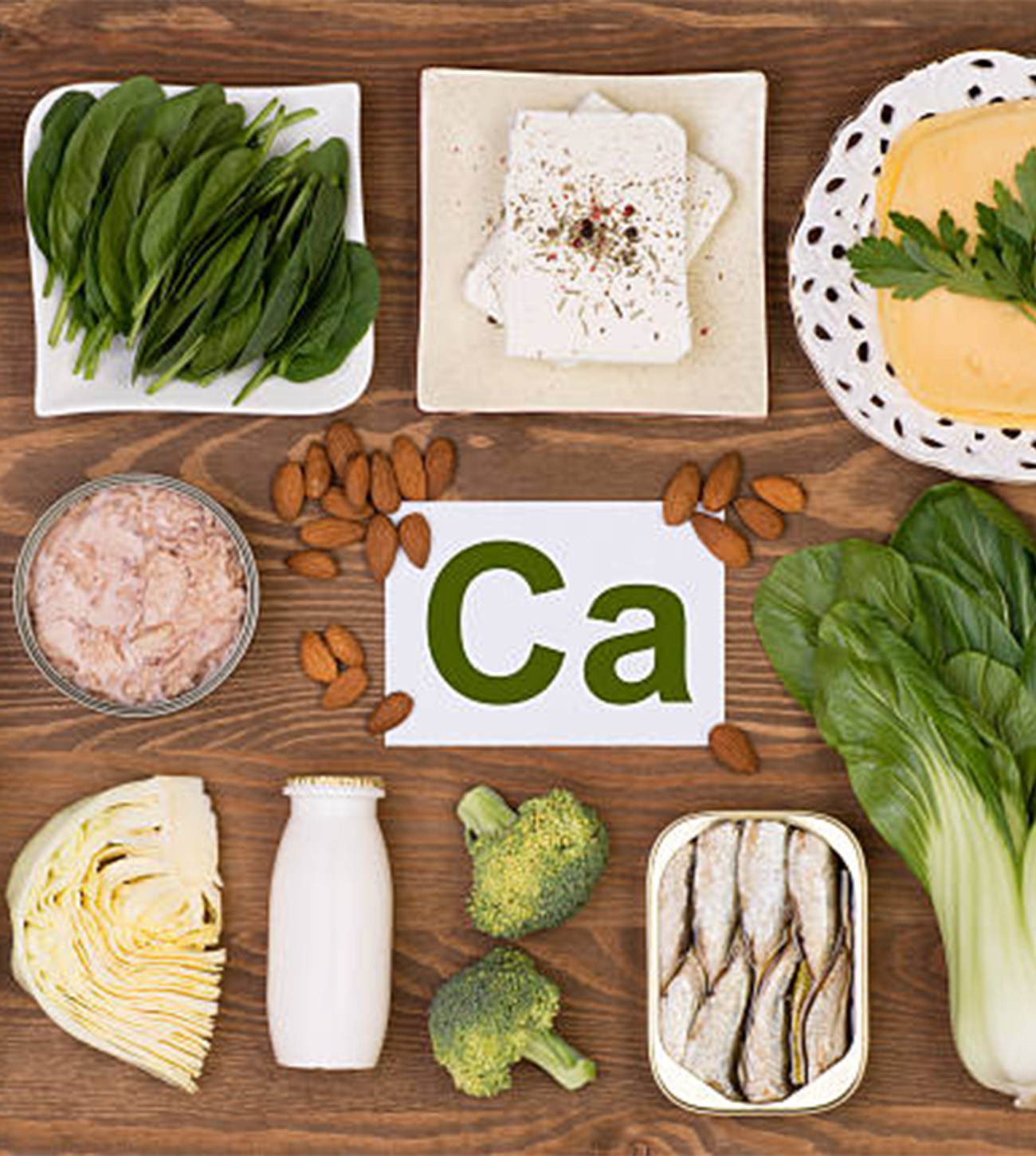
– Dairy foods contain a high level of calcium which is easily absorbed – include three serves per day in your normal diet, e.g., a glass of milk (250 ml), a tub of yoghurt (200 g), a slice of cheese (40 g). Low-fat options contain similar levels of calcium.
– Try canned salmon or sardines which contain bones rich in calcium
– Use yoghurt in soups or salads
– Add milk or skim milk powder to soups or casseroles
– Try soy-based products and tofu that contain calcium
– Include broccoli, mustard cabbage, Bok Choy, silverbeet, cucumber, celery and chickpeas in your regular diet
– Eat more almonds, dried figs and dried apricots
– Products fortified with calcium (e.g. some breakfast cereals) can help improve your calcium intake