1. Nurturing Physical Health:
Regular physical activity is the cornerstone of healthy aging, offering a myriad of benefits that support overall well-being:
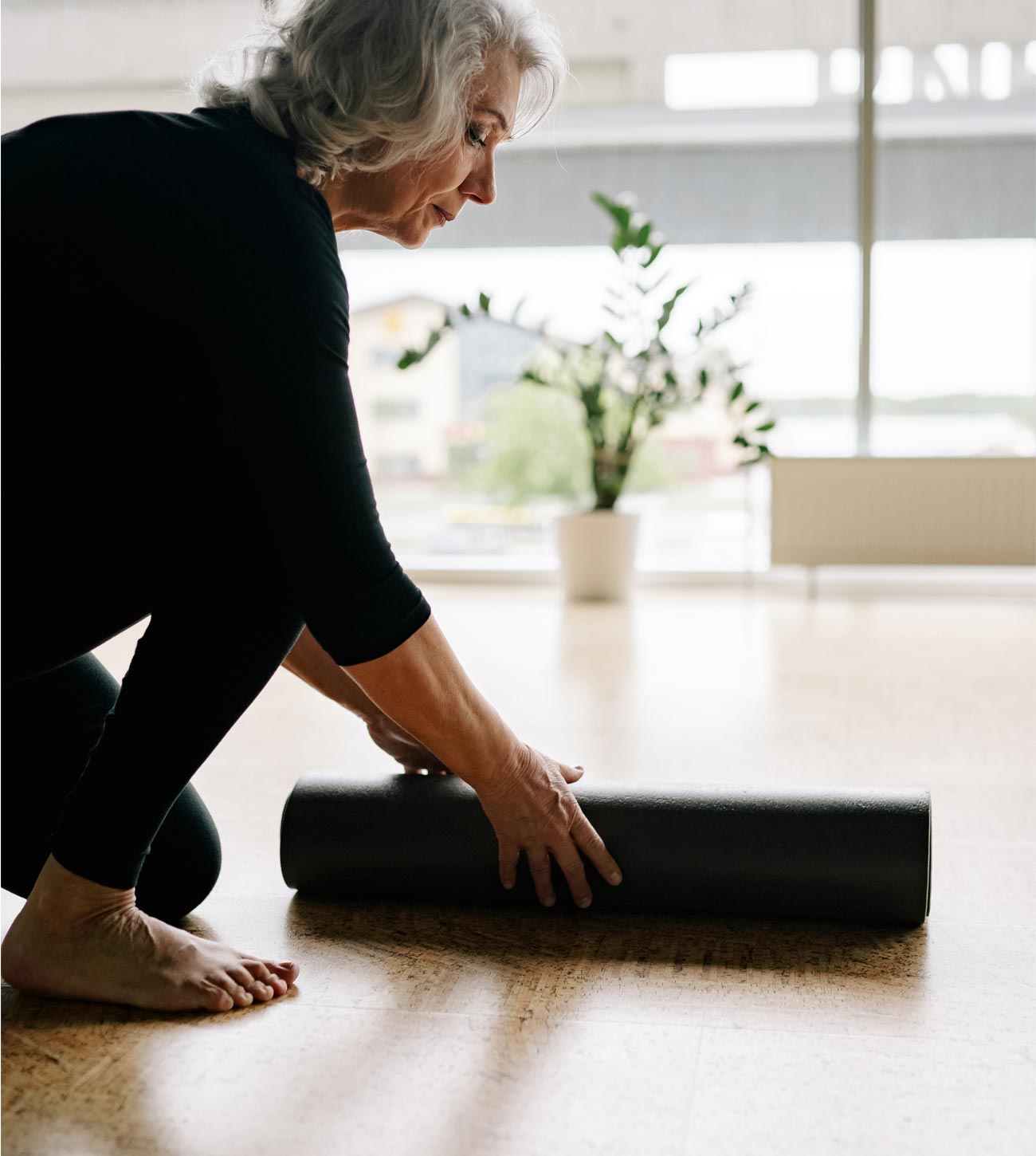
– Strength and Mobility: Strength training exercises help maintain muscle mass and bone density, reducing the risk of falls and fractures as we age. Activities such as yoga, tai chi, and resistance training promote flexibility, balance, and mobility, allowing seniors to stay active and independent for longer.
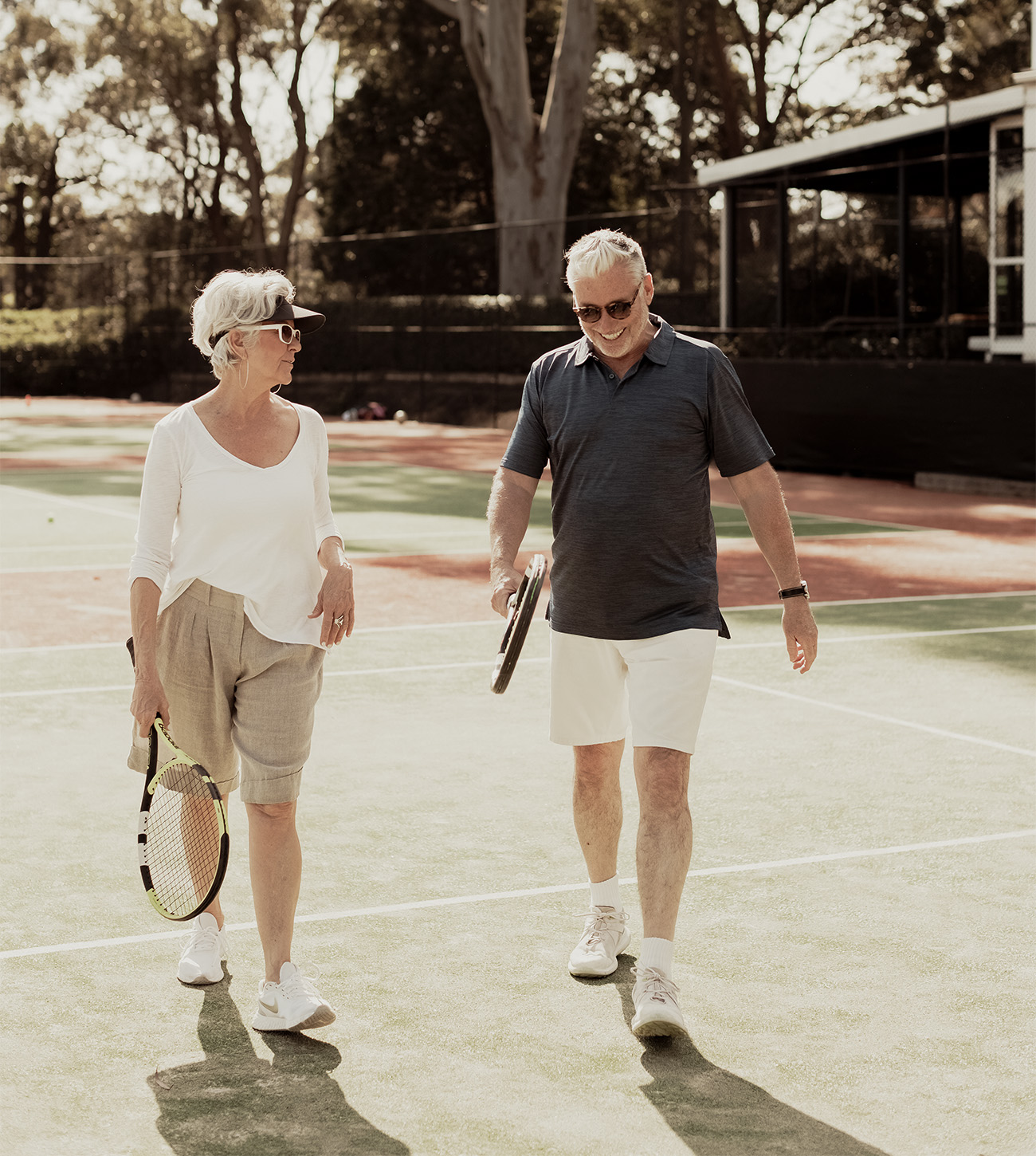
– Heart Health: Aerobic exercise, such as walking, swimming, or cycling, improves cardiovascular health, lowers blood pressure, and reduces the risk of heart disease and stroke. Even moderate-intensity activities can have significant benefits for heart health, helping seniors maintain vitality and energy as they age.
– Joint Health: Regular physical activity helps lubricate the joints, reduce stiffness, and alleviate arthritis pain. Low-impact exercises such as swimming, water aerobics, and cycling are gentle on the joints while still providing an effective workout.
– Brain Health: Physical activity isn’t just good for the body – it’s also beneficial for the brain. Regular exercise stimulates the release of endorphins, dopamine, and serotonin – neurotransmitters that improve mood, reduce stress, and enhance cognitive function. Engaging in activities that challenge the mind, such as puzzles, games, and learning new skills, also promotes brain health and cognitive vitality.
2. Fostering Emotional Well-Being:
Staying active isn’t just about physical health – it’s also essential for emotional well-being and mental resilience:
– Mood Enhancement: Exercise has been shown to have powerful mood-boosting effects, helping to alleviate symptoms of depression, anxiety, and stress. Physical activity stimulates the production of feel-good neurotransmitters, promoting a sense of happiness, relaxation, and well-being.
– Sense of Purpose: Engaging in meaningful activities and pursuing personal passions fosters a sense of purpose and fulfillment in life. Whether it’s volunteering, pursuing a hobby, or participating in community events, staying active provides opportunities for connection, contribution, and personal growth.
– Resilience and Adaptability: Maintaining an active lifestyle fosters resilience and adaptability, enabling seniors to navigate life’s challenges with grace and resilience. Regular physical activity builds strength, endurance, and stamina, empowering individuals to face adversity with confidence and optimism.